Sunday, November 18, 2012

The evil germy pacifier story is getting out of hand - w/ Dr. Glass misleading the charge

From Wikipedia
Oh for crying out loud.  This is getting out of control.  Two weeks ago I wrote about an over the top story in US News and World Report about pacifiers and microbes: The Tree of Life: Germophobia 101: there are microbes on pacifiers ....  The culprit in this story was a Dr. - Dr. Tom Glass - who was the lead presenter of some study at a meeting.  His study involved counting the number of colony forming units on used vs. new pacifiers.  And low and behold used ones were covered in germs.  Amazingly, this led Glass to say ridiculous things like

In the long run, it may be that what you do now [using a pacifier] may have a lot to do with whether a child ends up developing atherosclerosis or type 2 diabetes.
Completely misleading and deceptive and dangerous I would say.  And alas, the story has been crawling it's way around the web picking up speed.  Now it is at Time.Com with another story about Glass' work: Bacteria on Binkies: A Recipe for Crankiness | TIME.com.  Glass apparently is now blaming biofilms of pacifiers for all the problems.  And again Dr. Glass is (mis)leading the charge against pacifiers.
A lot of times when a child is cranky, the first thing a parent does is reach for a pacifier,” says Dr. R. Tom Glass, the study’s principal investigator and a professor of forensic sciences, pathology and dental medicine at Oklahoma State University. “But what are you using to treat the crankiness? It’s a vicious cycle.
and
"biofilms can potentially increase the likelihood of colic or ear infections and could possibly heighten the risk of allergies or asthma, says Glass."
The reporter does present some skepticism from parents and from the literature.  But come one - why even report this crap from Glass.  I mean - I am all for keeping babies from getting sick and pacifiers very well may be a source of some nasties.  But let's think about the big picture here.  Parents buy pacifier.  Parents open package.  Parents give to baby.  Baby puts in mouth.  Baby drops pacifier and it gets dirt on it as well as some germs.  Baby puts back in mouth.  Pacifier gets left on counter.  Things from babies mouth grow on pacifier.  Baby puts pacifier back in mouth.  And so on.  Tell me again where the pacifier introduces bad germs to this system?

UPDATE: some reading material

Saturday, November 17, 2012

My new microbe art corner w/ three works by @artologica


Must read microbiome paper of the month: defined microbioata treatment of Cdiff infections

This is a must read: PLOS Pathogens: Targeted Restoration of the Intestinal Microbiota with a Simple, Defined Bacteriotherapy Resolves Relapsing Clostridium difficile Disease in Mice

This is the paper I referred to in a previous post: Mouse study of fecal transplants to treat Cdiff infection.  This post was about a BBC News story that appeared to have jumped the embargo.  And then the news article disappeared and the scientific article was missing.  Thankfully the paper is now out.

The article has gotten some press that was not retracted.
More on fecal transplants and bacteriotherapy from my blog can be found below:

Thursday, November 15, 2012

Microbes, art and a bit of satire all in one place - Design Interactions at the RCA

Got pointed to an interesting site recently - "Design Interactions at the RCA"  This is a program (or as they call it - a programme) at the Royal College of Art in London.  One of the current students - Lana Porter - contacted me about a possible project she was working on involving microbes.  She also pointed me to some past projects connected to microbes from the program.  The two she pointed to are:
  • Viruses, close enemies or distant cousins? | Design Interactions at the RCA. From Mikael Metthey.  It appears to be from a few years ago but I am not sure.  Regardless, it is pretty humorous.  It is basically a description of an attempt to create "more intimate ways to approach the process of vaccination" by having poxteddy bears and cowpox rides and vaccination playgrounds.
  • The Race.  From Michael Burton.  Also from a few years ago. This one is about antibiotics and microbial evolution and the hygiene hypothesis.  
And then browsing around the site led to some other interesting concepts:
Seems like a fun programme (or program) ...

Monday, November 12, 2012

Fermentation microbiomes part 2 from #UCDavis: American coolship ale microbiome

 From Nick Bokulich: This is an image of the "coolship" where the cooling wort
(pre-fermented beer) is left overnight and presumably where wild
microbes are introduced to kick off the fermentation. This is the
morning after, still full of wort.
Just a quick follow up to my recent post on How did I miss this? The botrytized wine microbiome ... from #UCDavis colleague David Mills.  There is a similar paper from the same group also in PLoS One from about the same time: PLOS ONE: Brewhouse-Resident Microbiota Are Responsible for Multi-Stage Fermentation of American Coolship Ale.  What a job --- microbes, ales and wines, and sequencing.  One of the few times when reading a paper where I have said "I wish that was me doing that work." ... must look into getting involved in such studies ...

How did I miss this? The botrytized wine microbiome ... from #UCDavis colleague David Mills

From here.
Fun use of next generation sequencing in this paper: PLOS ONE: Next-Generation Sequencing Reveals Significant Bacterial Diversity of Botrytized Wine.  They used sequencing to characterize the diversity of microbes associated with botrytized wine (wine produced from grapes infected with the mold Botrytis cinerea.  They focused in particular on Dolce wine (not 100% sure what this is but I think it is wine from the Dolce winery ...).  And they focused in particular on the bacteria associated with this wine as it was being produced.  Anyway ... I am no food/drink microbiologist .. but this seems cool.

Saturday, November 10, 2012

Overselling the microbiome award of the month: Integrative medical group of Irvine

Wow.  Just discovered this site: Fecal Transplantation | Integrative Medical Group of Irvine.  Not sure how long it has been out there.  But this is one of the more aggressive and perhaps egregious overselling of the power of the human microbiome that I have seen. They are promoting fecal transplants at their clinic as a way to cure a diverse array of ailments from ulcerative colitis to obesity and imply they can be used for cardiovascular health, emotional status, bone health, and more.  My "favorite" part:
As our understanding of the enormous importance of bowel micro-biota (bacteria) grows, the indications for fecal transplant will expand greatly and public acceptance will follow. But there is no reason for you to wait. Dr. Lee, our naturopathic doctor, is one of only a tiny handful of specialists certified in the use of fecal transplant. She can expertly manage your case.
Yes that is right.  We (the royal We of course) are on the verge of showing that the microbiota does EVERYTHING and therefore, if anything ails you, just wash your troubles away with some shit from a relative.  There is no reason to wait.  Come in to our clinic now.

And for the misleading nature of this site, I am giving this Integrative Medical Group of Irvine my coveted "Overselling the microbiome award."  Previous winners and discussions of this issue are listed below:


------
UPDATE September 2017

Was just looking back at this post.  Alas the link to the Irvine web site was dead.  But thankfully the Internet Archive indexed this page. See https://web.archive.org/web/20130405021335/http://integrativemgi.com/fecal-transplantation/. It is from 2013 but may be the same as what I was seeing.

I am copying the text below

Fecal Transplantation

The gastrointestinal (GI) system is largely responsible for the well-being of every other cell and system in the body. It absorbs the nutrients which all cells require, expels toxic wastes, nurtures the complex bacterial bio-matrix which produces essential enzymes and vitamins, protects the body from invading organisms, and participates in critical “cross-talk” with the brain and the immune system.
When the bacterial communities of the intestinal tract become altered or damaged, their essential processes malfunction and the health of the individual declines – sometimes slowly, but at other times with devastating speed. When this happens, we attempt to “heal the gut,” a process that involves elimination diets, healing supplementation and probiotics. This can take many weeks or longer.
Recently, however, a new treatment has been developed that is proving highly beneficial, amazing fast, and in many cases lifesaving. Though fecal transplantation sounds unappealing, this amazingly simple procedure rejuvenates the gastrointestinal (GI) system literally overnight by taking fecal material from a healthy donor (preferably a relative), carefully processing it, and then inserting it into the colon of the patient. This is a simple and safe procedure, and, of course, the donor is thoroughly screened for communicable diseases.
The most common application of fecal transplant is in patients suffering from a serious intestinal infection caused by Clostridium difficile bacteria. Usually infections with C. diff occur following oral administration of antibiotics, and with increasing frequency the resulting infection is resistant to all antibiotic therapies. Lives have been saved and transformed in a matter of days following a fecal transplant treatment.
Exciting novel applications are evolving for fecal transplant. One is for the treatment of ulcerative colitis (UC). Patients on the verge of having their colons removed or patients living in misery with UC have experienced dramatic remissions following fecal transplants.
Another novel application involves the use of fecal transplants in obese patients. It has been discovered that in these individuals, the GI bacteria differ from those found in thin, healthy people. These so-called “fat bacteria” can extract a significantly greater quantity of calories from the same amount of food as do normal bowel bacteria. There is great hope that doing a fecal transplant on an obese individual will stimulate more appropriate bacterial behavior, and weight loss will become much easier.
Data now exists that the bacteria in the gut impacts virtually all aspects of health. Cardiovascular well-being, emotional status, bone strength, as well as immune health are all dependent on a healthy bowel flora.
As our understanding of the enormous importance of bowel micro-biota (bacteria) grows, the indications for fecal transplant will expand greatly and public acceptance will follow. But there is no reason for you to wait. Dr. Lee, our naturopathic doctor, is one of only a tiny handful of specialists certified in the use of fecal transplant. She can expertly manage your case.
If you are interested in learning more about how fecal transplants can improve your health, we encourage you to call our office to schedule an appointment with Dr. Lee.

Teaching kept me from SF Giants playoff games; StubHub glitches are keeping me from my money ..

Well, as if not going to the game wasn't bad enough ...

A few weeks ago, I managed to buy some tickets to some San Francisco Giants playoff games (for the League Championship Series and the World Series). Alas, due to teaching activities for Intro Bio at UC Davis, I was unable to go (when I bought them the dates were not yet determined). I gave some to a neighbor (a belated thank you for them allowing construction workers to use their driveway and yard for months when we had a pool built last summer). And then I sold the others on StubHub. Generally I have always loved Stubhub. Great way to get tickets. Had never sold any there before but it was pretty smooth and painless (except for the relatively large commission but that is another story) and the tickets sold fast (I listed them at ticket price).

And then I waited to payment to go to my Paypal account. And waited. And waited. I finally wrote to StubHub
"Just trying to find out why it is taking so long to get payment from something from a few weeks ago"
The response was surprising:
Dear Jonathan,

Thank you for contacting StubHub.

I understand your concern regarding your payment. I'm sorry it has been delayed. We recently experienced a technical error where MLB payments were diverted to 'Credit My Team Account'. We are in the process of correcting these orders and issuing payments to the default payment method in the sellers account. Due to the widespread nature of this issue, it is taking longer than normal to change the payment method, as each one needs to be done manually. Unfortunately at this point, I am unable to give you a timeframe for receiving your PayPal payment. Rest assured we are working as quickly as possible on this issue.

Important & neglected aspect of lab studies of animals : effect of habitat change on microbiome

By Aaron Logan via Wikipedia 
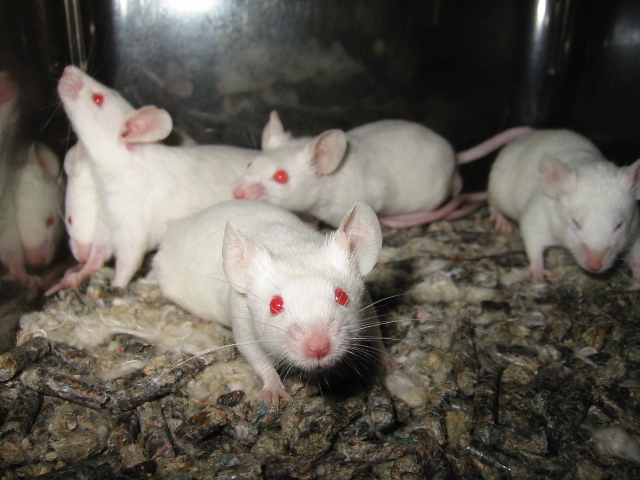
Very very interesting paper came out recent from some colleagues at UC Davis: PLOS ONE: Routine Habitat Change: A Source of Unrecognized Transient Alteration of Intestinal Microbiota in Laboratory Mice

Abstract: The mammalian intestine harbors a vast, complex and dynamic microbial population, which has profound effects on host nutrition, intestinal function and immune response, as well as influence on physiology outside of the alimentary tract. Imbalance in the composition of the dense colonizing bacterial population can increase susceptibility to various acute and chronic diseases. Valuable insights on the association of the microbiota with disease critically depend on investigation of mouse models. Like in humans, the microbial community in the mouse intestine is relatively stable and resilient, yet can be influenced by environmental factors. An often-overlooked variable in research is basic animal husbandry, which can potentially alter mouse physiology and experimental outcomes. This study examined the effects of common husbandry practices, including food and bedding alterations, as well as facility and cage changes, on the gut microbiota over a short time course of five days using three culture-independent techniques, quantitative PCR, terminal restriction fragment length polymorphism (TRFLP) and next generation sequencing (NGS). This study detected a substantial transient alteration in microbiota after the common practice of a short cross-campus facility transfer, but found no comparable alterations in microbiota within 5 days of switches in common laboratory food or bedding, or following an isolated cage change in mice acclimated to their housing facility. Our results highlight the importance of an acclimation period following even simple transfer of mice between campus facilities, and highlights that occult changes in microbiota should be considered when imposing husbandry variables on laboratory animals.

I personally think that we as a community are going to have to come to grips with the fact that the microbial communities in / on research organisms (of all kinds) may have a profound effect on experimental results.  This may explain many of the differences seen in experiments between facilities or over time within a facility.  In general, I think either controlling the microbes more carefully in lab experiments (e.g., using defined flora) or at least monitoring them is going to be very important to best interpret studies of plants and animals in the lab (or for that matter - in the field too).  Anyway -this paper is a tiny window into one of the ways that controlling for microbiomes may be important in lab studies.


Citation: Ma BW, Bokulich NA, Castillo PA, Kananurak A, Underwood MA, et al. (2012) Routine Habitat Change: A Source of Unrecognized Transient Alteration of Intestinal Microbiota in Laboratory Mice. PLoS ONE 7(10): e47416. doi:10.1371/journal.pone.0047416

Thursday, November 08, 2012

Guest post on "CHANCE" ChIP-seq QC and validation software

Guest post by Aaron Diaz from UCSF on a software package called CHANCE which is for ChIP-seq analyses.  Aaron wrote to me telling me about the software and asking if I would consider writing about it on my blog.  Not really the normal topic of my blog but it is open source and published in an open access journal and is genomicy and bioinformaticy in nature.   So I wrote back inviting him to write about it.  Here is his post:


CHANCE: A comprehensive and easy-to-use graphical software for ChIP-seq quality control and validation


Our recent paper presents CHANCE a user-friendly software for ChIP-seq QC and protocol optimization. Our user-friendly graphical software quickly estimates the strength and quality of immunoprecipitations, identifies biases, compares the user's data with ENCODE's large collection of published datasets, performs multi-sample normalization, checks against qPCR-validated control regions, and produces publication ready graphical reports. CHANCE can be downloaded here.

An overview of ChIP-seq: cross-
linked chromatin is sheared,
enriched for a transcription factor
or epigenetic mark of interest
using an antibody, purified and
sequenced.

Chromatin immunoprecipitation followed by high throughput sequencing (ChIP-seq) is a powerful tool for constructing genome wide maps of epigenetic modifications and transcription factor binding sites. Although this technology enables the study of transcriptional regulation with unprecedented scale and throughput interpreting the resulting data and knowing when to trust the data can be difficult. Also, when things go wrong it is hard to know where to start when troubleshooting. CHANCE provides a variety of tests to help debug library preparation protocols.


One of the primary uses of CHANCE is to check the strength of the IP. CHANCE produces a summary statement which will give you an estimate of the percentage of the IP reads which map DNA fragments pulled down by the antibody used for the ChIP. In addition to the size of this signal component within the IP CHANCE reports the fraction of the genome these signal reads cover, as well as the statistical significance of the genome wide percentage enrichment relative to control in the form of a q-value (positive false discovery rate). CHANCE has been trained on CHIP-seq experiments from the ENCODE repository by making over 10,000 Input to IP and Input to replicate Input comparisons. The q-value reported gives then the fraction of comparisons between Input sample techinical replicates that report an enrichment for signal in one sample compared to another equal to the user provided sample or greater. CHANCE identifies insufficient sequencing depth, PCR amplification bias in library preparation, and batch effects.

CHANCE identifies biases in sequence content and quality, as well as cell-type and laboratory-dependent biases in read density. Read-density bias reduces the statistical power to distinguish subtle but real enrichment from background noise. CHANCE visualizes base-call quality and nucleotide frequency with heat maps. Furthermore, efficient techniques borrowed from signal processing uncover biases in read density caused by sonication, chemical digestion, and library preparation.

Monday, November 05, 2012

Germophobia 101: there are microbes on pacifiers; therefore pacifiers cause atherosclerosis & diabetes

Oh my God.  I hope upon hope that the quote in this story was unintended.  The story is from US News and World Report: Dirty Pacifiers May Make Infants Sick: Study - US News and World Report

It is excruciatingly painful to read.  First, the headline is misleading and way out of line.  US News should be reprimanded for this.  There is no evidence presented that pacifiers are making anyone sick.

What is the story about?  At a conference someone(s) presented results of taking used and new pacifiers and chopping them up and seeing what grew on different parts.  And they found - get ready - microbes on them.  And more microbes on the used ones than the new ones.  And they even found some microbes that were apparently resistant to antibiotics.

Scared yet?  You shouldn't be because of course  Fortunately the story does quote on sane person

Dr. Ben Hoffman, medical director of the Children's Safety Center at Oregon Health and Science University's Doernbecher Children's Hospital, said he can't think of an infection a child has had that he would attribute to a pacifier. 
"The majority of things you're going to find on a pacifier are things we'll find on our clothes, normal human flora," said Hoffman. "It's not a reason to demonize pacifiers if people find them useful."

But alas it also quotes the lead author of the study.
Glass doesn't recommend that parents use pacifiers to calm their babies and toddlers. "After doing the study, I say why take a risk? The key is to recognize that pacifiers can cause illness," he said. "In the long run, it may be that what you do now [using a pacifier] may have a lot to do with whether a child ends up developing atherosclerosis or type 2 diabetes."
What? The? Fu$*#? Pacifiers have microbes on them.  Therefore they cause atherosclerosis and diabetes?   Completely, unbelievably insane and irresponsible.  And I think US News should have made it clearer that this is just completely out of line.


Sunday, November 04, 2012

Thank you interwebs: help proving fungi are cool

Well, am teaching three lectures this week on Fungal Diversity for BIS002C at UC Davis. And I decided tonight to ask the internet for help finding cool new stories on fungi. And boy did the internet come through in the clutch. Thanks internet. See Storification of Twitter and Facebook discussions below:

Friday, November 02, 2012

Quick post: nice microbial genomes database: MGBD (hat tip to Google Scholar Updates)

Just discovered this paper: MBGD update 2013: the microbial genome database for exploring the diversity of microbial world.  Seems to be a useful microbial genomes database with some nice associated tools.  Among the potentially useful features:

General Ortholog Table
Select your own organisms for a Custom Ortholog Table
Add your own genome in My MBGD Mode

And more.  Anyway - worth checking out.

I note - I found out about this via Google Scholar Updates:


For more on Scholar Updates see here.

Thursday, November 01, 2012

Story behind the Paper: Functional biogeography of ocean microbes

Guest Post by Russell Neches, a PhD Student in my lab and Co-Author on a new paper in PLoS One.  Some minor edits by me.


For this installment of the Story Behind the Paper, I’m going to discuss a paper we recently published in which we investigated the geographic distribution of protein function among the world’s oceans. The paper, Functional Biogeography of Ocean Microbes Revealed through Non-Negative Matrix Factorization, came out in PLOS ONE in September, and was a collaboration among Xingpeng Jiang (McMaster, now at Drexel), Morgan Langille (UC Davis, now at Dalhousie), myself (UC Davis), Marie Elliot (McMaster), Simon Levin (Princeton), Jonathan Eisen (my adviser, UC Davis), Joshua Weitz (Georgia Tech) and Jonathan Dushoff (McMaster).

Using projections to “see” patterns in complex biological data

Biology is notorious for its exuberant abundance of factors, and one of its central challenges is to discover which among a large group of factors are important for a given question. For this reason, biologists spend a lot of time looking at tables that might resemble this one :


sample A
sample B
sample C
...
factor 1
3.3
5.1
0.3
...
factor 2
1.1
9.3
0.1
...
factor 3
17.1
32.0
93.1
...
...
...
...
...
...

Which factors are important? Which differences among samples are important? There are a variety of mathematical tools that can help distill these tables into something perhaps more tractable to interpretation. One way or another, all of these tools work by decomposing the data into vectors and projecting them into a lower dimensional space, much the way object casts a shadow onto a surface. 


The idea is to find a projection that highlights an important feature of the original data. For example, the projection of the fire hydrant onto the pavement highlights its bilateral symmetry.

So, projections are very useful. Many people have a favorite projection, and like to apply the same one to every bunch of data they encounter. This is better than just staring at the raw data, but different data and different effects lend themselves to different projections. It would be better if people generalized their thinking a little bit.

A soothing microbiome music video of sorts

For all you microbiome geeks out there here is a music video of sorts from Antonio Gonzalez Peña in Rob Knight's lab.

Monday, October 29, 2012

And now the Human Microbiome has it's own National Academy Report


Very interesting: There is a new workshop summary out from the Institute of Medicine of the National Academy of Sciences: The Human Microbiome, Diet, and Health - Workshop Summary - Institute of Medicine From the summary
"One of the most intimate relationships that our body has with the outside world is through our gut. Our gastrointestinal tracts harbor a vast and still largely unexplored microbial world known as the human microbiome that scientists are only just beginning to understand. Researchers are recognizing the integral role of the microbiome in human physiology, health, and disease — with microbes playing critical roles in many host metabolic pathways — and the intimate nature of the relationships between the microbiome and both host physiology and host diet. While there is still a great deal to learn, the newfound knowledge already is being used to develop dietary interventions aimed at preventing and modifying disease risk by leveraging the microbiome. 
The IOM’s Food Forum held a public workshop on February 22-23, 2012, to explore current and emerging knowledge on the human microbiome, its role in human health, its interaction with the diet, and the translation of new research findings into tools and products that improve the healthfulness of the food supply. This document summarizes the workshop."

I was unable to go but am very interested in the topic.  Forrunately one can get the report for free.  And I will be reading it ASAP.

Thursday, October 25, 2012

PhD Comics @phdcomics animated cartoon on #OpenAccess interview of me & Nick Shockey

I assume if you pay any attention to science satire/humor you are familiar with PhD Comics by Jorge Cham. If not, you must check it out. It is simply brilliant stuff. And thus I was completely floored when I was contacted about whether I wanted to be interviewed by Jorge for a video he was commissioned to make as part of Open Access week activities. I mean - I figging say no to almost everything these days but I said yes to this almost immediately. And so I did a phone interview with him and Nick Shockey from SPARC. And then Jorge worked his magic -- and here it is.


Monday, October 22, 2012

Today's "Overselling the microbiome award" Crohn's Disease and Bacteria

Uggh.  Just read this: Specific bacterial species may initiate, maintain Crohn's.  Basically it reports on a paper that showed a correlation between bacterial taxa and early Crohn's disease.  The paper makes a big deal out of showing a correlation in the severity of pediatric Crohn's and the types of microbes found.  Good.  That is useful.  But here is the thing.  It is a $&*#($@(& correlation.  They have NO IDEA if this is the result of the CD or the cause (or both).  To go around pushing the idea that this is about bacteria initiating CD is misleading.

The news release says "The work may ultimately lead to treatment involving manipulation of the intestinal bacteria."  True.  The work may ultimately also lead to my screaming.  Oh wait.  It did already.

For more on Overselling the Microbiome see some of my other posts

As I have said many time.  I believe the human microbiome is VERY important.  I believe it probably plays a role in all sorts of human issues - health and disease.  But we need to be careful not to be misleading about what we know and don't know ... 

Saturday, October 20, 2012

iTalk bug - help needed with partial / unclosed aiff file

Well, too long of a saga to post directly to Twitter so posting here.

Yesterday I recorded a review session for a class with iTalk https://itunes.apple.com/us/app/italk-recorder/id293673304?mt=8.  I recorded it on my iPhone 4S.

When I got home to upload the file and to convert it to an MP3 to share with the class I discovered that it seemed to not be there in the iTalk file list.


I thought - maybe I never formally "saved" the file but maybe iTalk kept the recording somewhere.

So I opened up iTunes connected to my phone and there it was in the Apps file area


I then copied the file to my desktop and no matter what I do I cannot seem to open it and /or extract audio out of it.  I have tried to open it a million ways with all sorts of desktop and online programs and nothing works.  My guess is somehow the file was not closed out correctly and thus even though it is 430 Mb it is viewed as empty by all the programs I have tried.

Anyone know a solution for this?

I have posted the file to Dropbox here.

Friday, October 19, 2012

Mouse study of fecal transplants to treat Cdiff infection

Interesting story in thge BBC News on a paper from PLoS Pathogens: BBC News - Faecal transplant clue to treating gut bug (seems that the article has disappeared - maybe they jumped the Embargo? --- anyone --- found another version here). In the work, researchers from the Sanger Institute infected mice with Clostridium difficile and then treated them with different combinations of microbes isolated from mouse feces. In the end they are reported to have identified a combination of six strains that was highly effective in clearing the C. difficile infections. I say "reported to have ..." because I cannot find the PLoS Pathogens paper, again suggesting to me that the BBC story may have somehow jumped the embargo. Will post more when more comes out.

Thursday, October 18, 2012

Important read: Biotechniques discussion of DNA extraction in microbial studies

Very quick post here.  This is worth a read: BioTechniques - DNA Extraction: Overcoming Obstacles in Microbial Studies.  From their summary:

"What are the most efficient methods to extract microbial DNA that accurately represents the community it is isolated from? Janelle Weaver reports on efforts to identify the best methods for DNA extraction from unknown frontiers in the human body and across the globe."

It discusses among many things this fascinating paper: Flores GE, Henley JB, Fierer N (2012) A Direct PCR Approach to Accelerate Analyses of Human-Associated Microbial Communities. PLoS ONE 7(9): e44563. doi:10.1371/journal.pone.0044563

Note - I found out about this on the Twitter


On a related note see the paper from my lab on a metagenomic simulation we did a few years ago ...

PLOS ONE: Metagenomic Sequencing of an In Vitro-Simulated ...

Tuesday, October 16, 2012

New paper out from my lab/Katie Pollard's lab on a new protein family collection


Just out as a provisional PDF.


Sifting through genomes with iterative-sequence clustering produces a large, phylogenetically diverse protein-family resource 

Thomas J Sharpton, Guillaume Jospin, Dongying Wu, Morgan GI Langille, Katherine S Pollard and Jonathan A Eisen

BMC Bioinformatics 2012, 13:264 doi:10.1186/1471-2105-13-264

Abstract: 
Background New computational resources are needed to manage the increasing volume of biological data from genome sequencing projects. One fundamental challenge is the ability to maintain a complete and current catalog of protein diversity. We developed a new approach for the identification of protein families that focuses on the rapid discovery of homologous protein sequences.
Results We implemented fully automated and high-throughput procedures to de novo cluster proteins into families based upon global alignment similarity. Our approach employs an iterative clustering strategy in which homologs of known families are sifted out of the search for new families. The resulting reduction in computational complexity enables us to rapidly identify novel protein families found in new genomes and to perform efficient, automated updates that keep pace with genome sequencing. We refer to protein families identified through this approach as "Sifting Families," or SFams. Our analysis of ~10.5 million protein sequences from 2,928 genomes identified 436,360 SFams, many of which are not represented in other protein family databases. We validated the quality of SFam clustering through statistical as well as network topology--based analyses. 
Conclusions We describe the rapid identification of SFams and demonstrate how they can be used to annotate genomes and metagenomes. The SFam database catalogs protein-family quality metrics, multiple sequence alignments, hidden Markov models, and phylogenetic trees. Our source code and database are publicly available and will be subject to frequent updates (http://edhar.genomecenter.ucdavis.edu/sifting_families/).

Will try to write more on this soon but am in the middle of teaching a 700 person course so a bit overwhelmed with other things.

Thanks for the Gordon and Betty Moore Foundation for support for this work.

Scouting for recent pubs on origin/evolution of the genetic code - suggestions wanted

A student in my Intro Bio class is interested in learning more about the origin and evolution of the genetic code. I am looking for some relatively recent papers to suggest to her. I have found the following:


Other suggestions wanted ...

---------------------------
A suggestion from Twitter

Thursday, October 11, 2012

UC Davis Magazine ... not just tooting the #UCDavis horn ...

I have just joined an advisory group for the UC Davis Magazine and I am really happy with their new direction. They are trying to make the magazine a little less "UC Davis is awesome" and more "Here are some interesting things to think about, with a UC Davis angle". The new Fall Issue is a good example of this. There is for example a nice article by Sasha Abramsky about student involvement (or the lack thereof it). Plus there is a little video interview to go with the article. Perhaps even more "interesting" is the article on the future of higher education by Clifton Parker. Not exactly a glory piece about UC or UC Davis. Anyway ... just thought I would put this out there. Any opinions on the magazine please send them my way - the staff there seem great and really interested in feedback.

Thursday, October 04, 2012

Adaptation and Convergence in Regulatory Systems, guest post by David Pollock

Below is another in my series on "The Story Behind the Paper" with guest posts from authors of open access papers of relevance to this blog.  Today's post comes from David Pollock in Department of Biochemistry and Molecular Genetics, University of Colorado School of Medicine.  Note - I went to graduate school with David and he is a long time friend.  This is why he apparently feels okay to call me Jon even though I go by Jonathan.  I have modified his text only to format it.  Plus I added some figures from his paper.


Adaptation and Convergence in Regulatory Systems
Guest post by David Pollock


Explanation

This is a guest blog post about a paper of mine just published in Genome Biology and Evolution, "SP transcription factor paralogs and DNA bindingsites coevolve and adaptively converge in mammals and birds", and it amounts to my first attempt at an un-press release. You can tell it's not a press release because I'm writing this about a week after the paper came out. This guest blog is coming about because I released an announcement about the paper to a few friends, and credited my old buddy Jon Eisen with having inspired me to move towards avoiding press releases. And I sure wouldn't want this paper to be named in the same breath as the now infamous arsenic bacteria and Encode project press releases (although I note that a recent paper from my lab estimates that the human genome is at least 2/3 derived from repetitive sequence); also see posts by Michael Eisen and by Larry Moran. I had the vague idea that maybe Jon, Ed Yong, Carl Zimmer, or some other famous blogger would be so inspired by the move (and the fundamental coolness of the paper) that they would quickly write up a thoughtful interpretive summary for general audiences. Jon, however, being much to smart for my own good, suggested that I should write it up as a guest blog instead. So, here I am. At least I got Jon to agree to edit it.

The fundamentals of the paper

Okay then, why do I think adaptation and convergence in regulatory systems is cool and important? Well, first because I think a lot of important changes in evolution have to have come about through regulatory evolution, and yet there are huge gaps in our knowledge of how this change might happen. And I say this as someone who has spent most of his career studying (and still believing in the importance of) sequence evolution. Second, a lot of people seem to think that evolution of whole regulatory systems should be hard, because there are so many interactions that would need to change at the same time. Remember, transcription factors can interact with hundreds of different binding sites to regulate hundreds of different proteins. It makes sense that evolution of such a system should be hard. In this paper, I think we go a long way towards demonstrating that this intuitive sense is wrong, that functional evolution of regulatory systems can happen quite easily, that it has happened in a system with around a thousand functional binding sites, and that some of the details of how it happens are really interesting.

Fig. 1. Evolution of SP transcription factors. (A) SP1 binds preferentially to the GC box in placental mammals and birds (red) and to the ancestral GA box consensus in other vertebrates (black). Modifications in binding motif preferences along the phylogeny are denoted by red-filled circles. ‘Variable regions’ in zinc finger 2 (zf2-VR), containing all non-conserved sites in zinc finger 2 within vertebrates, are shown for SP1, SP3, and SP4. Site –13 (highlighted) is putatively responsible for the change in SP1 binding preferences. (B) Zinc finger 2 (zf2) of human SP1, SP3, and SP4. Each zinc finger contains an alpha-helix and two beta sheets (Philipsen et al. 1999; Dhanasekaran et al. 2006). Red and gray columns denote sites non- conserved across vertebrates; all are contained in the boxed variable region (zf2-VR), comprising sites -13 to -8. Site +3 binds directly to the convergent A/C fourth site of the GC box. (C) SP1 binds to the DNA via zinc fingers 1-3 (zf1-zf3), where zf2 binds to the three central nucleotides of the GC box (GGGCGG) (Philipsen et al. 1999; Bouwman et al. 2002; Dhanasekaran et al. 2006). Site -13 (red) is only 9.5 Ã… from site +3 (green) and directly contacts the neighboring site (site +4) (Bouwman et al. 2002; Oka et al. 2004; Dhanasekaran et al. 2006).

Aside from promoting the science, the other reason I want to blog about this paper is that I think it is a great demonstration of how fun and how diverse science can be. To support its points, it brings in many different types of evidence, from genomics to population genetics to protein structure prediction. It is also a good example of using only publicly available data, plus a lot of novel analysis, to see something interesting that was just sitting there. I think there must be a lot more stories like that. All of that Encode data, for example, is bound to have some interesting undiscovered stories, even with 30 papers already published. The most fun part, though, which I don't think I can fully recreate without jumping up and down in front of you, was just the thrill of discovery, and the thrill of having so many predictions fall into place with data from so many different sources.

I don't recall another project where we would say so many times, "well, if that is the explanation, then let's look at this other thing," and bam!, we look at the other thing and it fits in too. It started with Ken Yokoyama, the first author, walking into the lab having just published some pretty good evidence that the preference for the SP1-associated binding site (the GC-box) was newly evolved in the ancestor to eutherian mammals. Well, if that's true, there ought to be a change in the SP1 protein sequence that can explain it. Sure enough, there is, and SP1 is a very conserved protein that doesn't change a lot. Hmm, we have more sequences now, let's look to see if preferences changed anywhere else on the phylogenetic tree. Yes, in birds. Well, there ought to be a change in bird SP1 that can explain that; sure enough, there is, and it's at the homologous position in the protein. Looking good, but is it in the right place in the protein? Yes, in the right domain (zinc finger 2, or zf2), right behind the alpha helix that binds the nucleotide for which the preference changed. And before you ask, Ken ran a protein structure prediction algorithm on the amino acid replacements in SP1, and the predicted functional replacements in bird and mammal are predicted to bend the protein right at the point where it binds the nucleotide at which the preference changed. You might then ask if this amino acid replacement does anything to the binding function, and the answer again is "yes". This time, though, we were able to rely on existing functional studies, which showed that human SP1 binds 3x better to the GC-box binding site than it does to the ancestral GA-box (more on this below).

Fig. 2. Birth-death rates of the SP1 binding motif in mammals. Birth rates (α) denote the probability (per year) that an unoccupied position will gain a binding site; death rates (β) give the probability (per year) that an existing binding site is lost. Branches in the mammalian phylogeny were partitioned into three groups: early eutherian mammals (red), late eutherian mammals (black), and GA box-preferring non- eutherian mammals (blue). Birth and death rates of each group were estimated for the GC box (GGGCGG), GA box (GGGAGG), and the non-functional motif GGGTGG (Letovsky et al. 1989; Wierstra 2008).
The coup de grace on this residue position as the source of convergent functional changes, though, came with consideration of the other transcription factors that interact in this regulatory system (that is, they bind to the same binding sites to modify transcription). If there was a functional change in the transcription factor, driving modified changes in the binding sites, then it seems that this should affect the other transcription factors in the system. It could have been hard to figure anything out about these other transcription factors, but luckily they consist of SP3 and SP4, two paralogs of SP1. This means that they are ancient duplicates of ancestral SP proteins, they share a great deal of conserved sequence with SP1, and they bind with similar affinities to the SP1 binding consensus. And they have not just one or two, but between the two proteins, in birds and mammals, at least eight convergent amino acid replacements at the homologous position that putatively modified binding in SP1. And the substitution that occurs is the same replacement that occurred in bird SP1. Based on sequences from jawed fish and frogs, this position was almost completely conserved in the SP3 and SP4 paralogs for 360 or 450 million years of evolution. The convergent changes all occurred in only the last 100 million years or less of eutherian and bird lineages. We believe that the simplest interpretation is that, over tens of millions of years, a functional replacement occurred at the SP1 protein, adaptively driving hundreds of SP1 binding sites to convert from ancestral GA-boxes to derived GC-boxes, and that this then drove the same functional replacement in coregulatory paralogs SP3 and SP4.

Timing and a mechanism

Two questions often comes up at this point, "how do we know the order of these events?" The simplest piece of evidence for the order of events comes from the order of fixation of substitutions. The amino acid substitutions in SP1 are fixed in all eutherian mammals and all birds, indicating that they occurred on the branches leading to these taxon groups. The increase in GC-boxes occurred over time at different loci, mostly on the branch leading to eutherian mammals and on the branches immediately after that split the most ancient eutherian mammal groups. The replacements in SP3 and SP4 occurred later in the evolution of eutherian mammals and birds, and did not occur in all lineages. One might be able to come up with complicated scenarios whereby changes in some SP1 binding sites occurred first, driving the fixation of the SP1 replacement, followed by further selected changes in other SP1 binding sites, but we think our hypothesis is simpler.

Fig. 3. Population frequencies of an adaptive mutant transcription factor and its binding sites.  (NOTE - SOME DETAIL OF LEGEND LOST IN COPY/PASTE - SEE PAPER). (A) Shown are the population frequencies of the adaptive mutant transcription factor allele (blue), which first occurs in a single heterozygous individual at generation (population size:   ). The total population frequency of the novel binding consensus (BOXC) and the initial wild-type binding motif (BOXA) are shown in red and black, respectively. We assume a small adaptive benefit for the adaptive transcription factor SPC binding to BOXC (relative fitness , where ) over the wild-type transcription factor and its motif (relative fitness ). Maladaptive binding events (SPC binding to BOXA or the wild-type transcription factor binding to BOXC) have reduced fitness ( , where ). Population frequencies of SPC, BOXA, and BOXC are given on the left for the first 20,000 generations and on the right for 150,000 generations. (B) Evolution of the adaptive trans-factor and binding sites under a semi-dominant model. SPC binding to BOXC is assigned relative fitness for individuals heterozygous for the transcription factor genotype (     ) and for individuals homozygous for the mutant transcription factor. (C) The single binding site locus model. In contrast to the previous model, each locus is restricted to no more than one binding motif (either BOXA or BOXC).


Other pieces of evidence also come into play. The question about the order of events can be rephrased as a question of whether neutral forces, such as changes in mutation rates at binding sites, could have altered the frequency of the alternative binding sites, with SP1 (and then SP3 and SP4) playing functional catch-up to better match the new binding site frequencies. It seems to us that such a model would predict that the binding sites would have changed irrespective to the function of the proteins that they regulate. (As an aside here, we note that our binding site data set is best described not as a definitive set of SP1-regulated promoters, but as a set that is highly enriched in functional SP1 binding sites. We don't trust binding site function predictions, and the putative binding sites inclusively considered were those that had either the ancestral GA-box or the derived GC-box in the functionally relevant region prior to the transcription start site. Such sites are highly enriched for categories of genes known to be under SP1 control.) But the binding sites that shift from GA-boxes to GC-boxes are even further enriched for categories of genes under SP1 control. This is not compatible with the neutral mutational shift model, but is compatible with the idea that the subset of our sites for which SP1 regulation is most important are the ones that were most likely to adaptively shift box type when the SP1 with altered function became more frequent.

The mutational driver model also predicts a simple shift in frequencies driven by mutation. For example, GA-boxes might tend to mutate into GC-boxes, and conversely, GC-boxes might tend to be conserved and not mutate to GA-boxes. What I haven't told you yet, though, is that the excess GC-boxes do not tend to be produced by mutation from GA-boxes, but rather they tend to be produced as de novo mutations from non-SP1 box sequences. They are produced by a wide variety of mutations from a wide variety of different sequences that are slightly different from the canonical SP1 binding sites. Furthermore, the GC-boxes appear in a burst of birth early in eutherian evolution, but the GA-boxes don't disappear in a burst at the same time. Rather, they simply fade away slowly over time in lineages that have evolved GC-boxes. It is not clear to us that this can be explained using a mutation model, but it is easily explained by a model in which the SP1 replacement has adaptively driven hundreds of binding site convergent events. This is then followed by the slow mutational degradation of the GA-boxes, which don't matter so much to function anymore. It is also worth mentioning that the GC box preference doesn't seem to correlate with GC content, as several fish lineages are just as high in GC content as humans, but do not have the GC-box preference.

Fig. 4. Structural changes of SP1 zinc finger 2 (zf2) following replacements at site -13. (Top) Comparisons of predicted lowest-energy zf2 structures between the native human peptide (-13M), and peptides following replacements to the ancestral valine (M-13V) and bird isoleucine (M-13I) at site -13. Structural alignments were conducted according to residues on the 5’ end of the peptide (residues -16 to -12). Both -13M and M-13I peptides showed displacement of residues 5’ to the DNA-contacting alpha-helix (sites -6 to -1) compared to the ancestral valine peptide. No such displacement was seen between -13M and M-13I. All three peptides aligned closely at the 3’ end of the alpha-helix (sites +6 to +10), reflecting structural modifications at the 5’ end of the alpha-helix. (Bottom) Distances between alpha carbons prior to and within the alpha-helix (blue and orange, respectively). Comparisons between the native human peptide and M-13V (left) and between M-13I and M-13V (center) show closely-aligned residues at the 3’ end of the alpha-helix and increasing displacement towards the 5’ end. These modifications begin around site +3, which directly contacts the A/C evolving site of the SP1 binding motif (Philipsen et al. 1999; Bouwman et al. 2002; Dhanasekaran et al. 2006). No such region- specific displacement between -13M and M-13I was observed between -13M and M-13I (right).

The observed pattern of binding site evolution is also predicted by a model we developed to determine if the evolution of transcription factors and their binding sites could be explained in a population genetics framework. We asked, what is a possible mechanism by which these changes might occur? At the beginning of this post, I noted that a lot of people seem to think that evolution of complex multi-genic regulatory systems should be hard. We reasoned, though, that if the beneficial effects of a newly evolved binding interaction were dominant or semi-dominant (that is, the beneficial effects in the heterozygote were at least partly visible to selection), then it might be possible for evolution to be achieved through a transition period in which both the transcription factor and its cognate binding sites were polymorphic.

We developed both a deterministic and a stochastic model, and found that, indeed, even small (nearly neutral) selective benefits per locus can drive the entire system to fixation. What happens is that as long as there are some binding loci with the new binding box in the system, then a new variant of SP1 with a preference for the new binding box, and an associated small selective benefit, will at first rapidly increase in frequency. It won't immediately fix though, but rather will maintain a temporary steady state, kept down in frequency by the deleterious effects that new variant homozygotes would have with the large number of binding loci that are homozygous for the ancestral binding box. Once it has reached this steady state, it exerts selective pressure on all the binding loci to increase the frequencies of the new binding boxes at each locus. Much more slowly then, the frequency of the new transcription factor variant increases, in step with the frequencies of new binding boxes at all the binding loci.

Although our studies do not prove that our population genetics model is the exact mechanism for adaptive changes in SP1, it provides proof of concept that it is not difficult for such a mechanism to exist.

Where does this leave us?

At the broader level, this paper shows that small selective benefits can drive the evolution of complex regulatory systems (in diploids, at least; sorry to leave out the micro folks, Jon). Furthermore, it demonstrates, we believe convincingly, that adaptation has driven the evolution of the SP1 regulatory system, driving convergent evolution at many hundreds of promoters, and in SP3 and SP4. It thus strongly counters prevailing notions that such evolution is hard. We hope that this work (along with other work of this kind) will drive others to further pursue the broad questions in regulatory evolution. Are the details of the SP1 system common to other regulatory systems?

A particularly important question, which we did not focus on here, is whether the evolution we have described involves only static maintenance of the status quo in terms of which genes are regulated. One has to wonder, though, whether if it is easy to evolve a static regulatory system, that it is not therefore easier than previously believed to modify regulatory connections in a complex regulatory system. There are hints of such changes here, in that genes that may have gained novel SP1 regulation (that is, gained a GC-box when they did not have the ancestral GA-box) tend to be enriched in certain GO categories (see Table 2 in the paper).

For SP1, it will be interesting to see if good stories can be developed for to explain why this adaptation should have occurred specifically in birds and eutherian mammals. The ideal story should include both a biophysical mechanism, and a physiology-based mechanism, such as the possibility that warm-bloodedness played a role. Both of these avenues promise to be complicated, if addressed properly. For example, we believe that it will be more meaningful if a biophysical mechanism can address the need for specificity as well as strength of binding, perhaps by utilizing next-generation sequencing approaches to measure affinities for all relevant binding site mutations (see, among others, our recent paper on this topic, Pollock et al., 2011). Are there interactive roles for selection on transcription factor concentration as well as efficiency and selectivity? What trade-offs exist among binding efficiency and binding site duplication? Do different types of regulatory connections evolve differently? These are all great questions for future research.

Addendum

I'll try to add further comments if questions or issues come up. I'm particularly interested to see how this non-press release guest log post works as an experiment to promote the paper and the work. I also hope it will promote Ken Yokoyama's career (he's now at Illinois, and will probably be looking for an academic job in the next year or two). He did an awesomely diverse amount of work on this, learning how to work in totally new areas for him, such as population genetics, birth/death models, and protein structure prediction. He dove into these areas unhesitatingly to pursue the logical scientific questions, developed novel analyses, and did a great job. This paper represents a fundamental contribution and a fantastic advertisement for Ken's abilities.


Most recent post

A ton to be thankful for -- here is one part of that - all the acknowledgement sections from my scholarly papers

So - it is another Thanksgiving Day and in addition to thinking about family, and football, and Alice's Restaurant, I also think a lot a...